Summer Reefer Runs: Protecting Your Load When the Heat Climbs
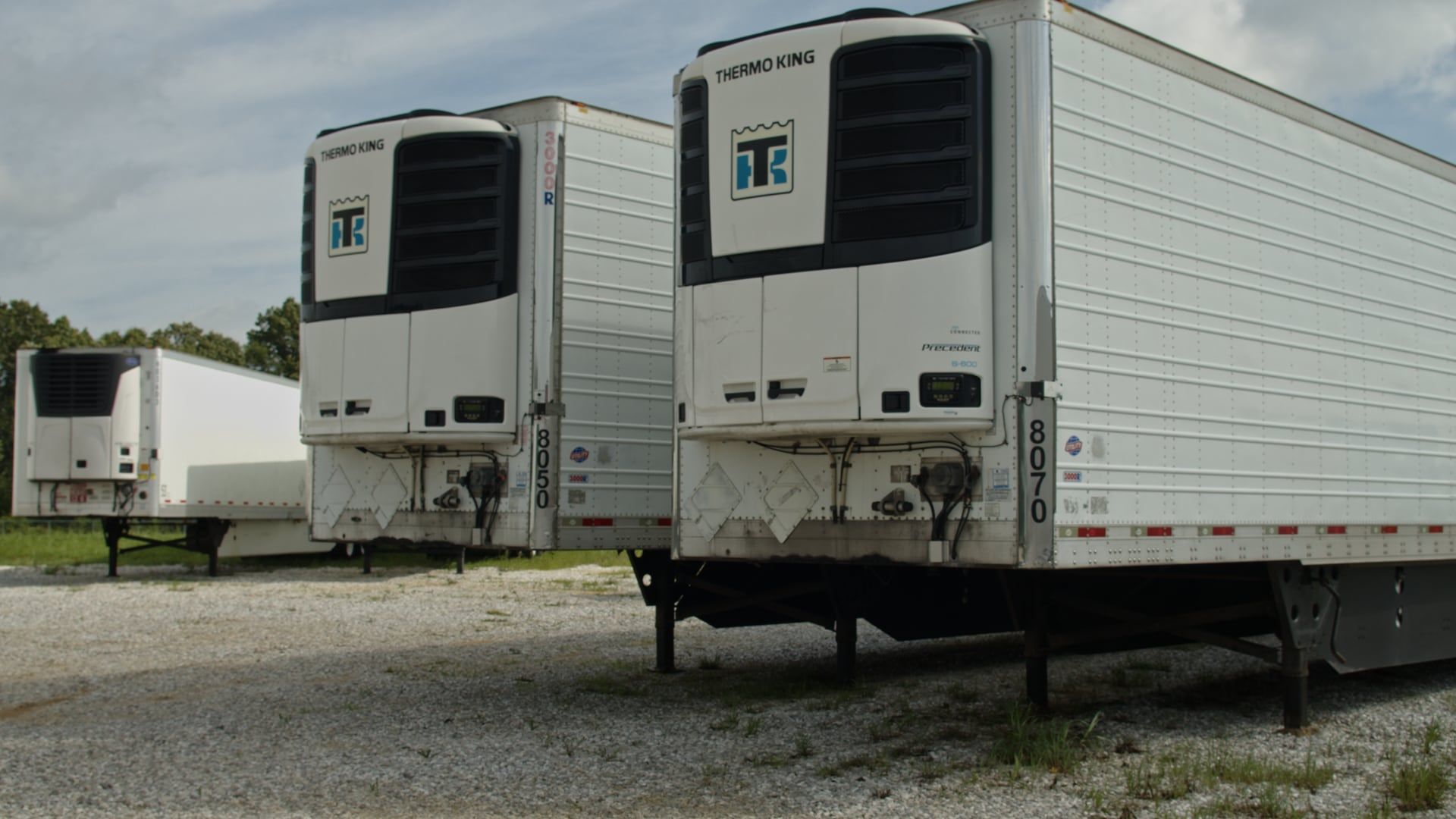
Summer is when reefer work earns its keep. Ambient temps over 100°F on the trailer roof, hot loading docks, and produce that’s already fighting the clock all stack the deck against you. The good news: most temperature claims come down to a handful of habits, and every one of them is in your control. Here’s how Safe Way drivers keep loads in spec when the heat is on.
Start before you back into the dock
A reefer is built to hold a temperature, not pull one down from a hot load. Pre-cool the empty trailer to your setpoint before you load — but shut the unit off while the doors are open. Running the reefer with the doors up just pulls hot, humid outside air across the evaporator, builds frost, and fights you the whole time. Doors closed, unit running; doors open, unit off.
Walk the box before it’s loaded. You’re looking for anything that breaks the cold chain or blocks airflow:
- Drain holes clear and the floor channels open, so cold air can move under the load
- Door seals intact — a torn gasket on a 105° day will cost you the back rows
- No debris or standing water on the floor from the last load
- Setpoint, mode, and fuel confirmed before you ever see the product
Continuous vs. cycle-sentry — know which load wants which
Frozen freight is forgiving: it’s already at temperature and the box holds it, so start-stop (cycle-sentry) mode saves fuel without much risk. Fresh produce is the opposite. It breathes, it gives off heat, and it needs constant airflow to keep every pallet even. Run continuous mode on fresh loads unless the customer’s instructions say otherwise. When in doubt, the rate confirmation and the shipper win — follow the load instructions to the letter, and call your dispatcher if they’re unclear rather than guessing.
Pulp it, photograph it, paper it
Your single best defense against a temperature claim is proof the freight was already in or out of spec when it reached you. Carry a calibrated pulp thermometer and actually use it:
- Pulp the product at pickup — push the probe into the flesh of the item, not the air gap between boxes
- If a reading is off, note it on the bill of lading before you sign and tell your dispatcher immediately
- Photograph the load, the pallet pattern, and the reefer display showing your setpoint
- Keep airflow clear: load to the load line, never above it, and don’t block the return-air bulkhead at the front wall
A clean paper trail turns a "your truck ran warm" argument into a five-minute conversation. Without it, you’re guilty until proven otherwise.
Pre-trip the reefer like it’s a second engine — because it is
Heat is hard on the unit too. Before a long summer run, give the reefer the same attention you give the tractor: check the unit’s fuel, look for oil or coolant leaks, eyeball the belts, and clear bugs and road film off the condenser coil so it can actually shed heat. Make sure your alarm codes are clear and you know how to read them. A reefer that alarms out at 2 a.m. in the desert is a lot easier to handle when you’ve already got the manual bookmarked and our shop on speed dial.
Don’t forget the driver
The cab gets hot too. Hydrate before you’re thirsty, keep water within reach, and don’t let a hot sleeper wreck your rest. Plan summer fuel and break stops where you can get out of the sun, and watch your hours — heat fatigue is real, and a tired driver is the most expensive thing on the truck.
None of this is complicated, but in July it’s the difference between a clean delivery and a rejected load. Run your reefer with intention, keep your proof in your pocket, and the heat becomes just another thing you’ve got handled. Questions about a load or a unit? That’s what dispatch is for — we answer the phone.