Pre-Trip Like a Pro: The 10-Minute Walkaround That Keeps You Rolling
Every driver has done a thousand pre-trips, and that’s exactly the problem — it’s easy to let it turn into a lap around the truck with a coffee in your hand. But the pre-trip is the cheapest insurance you own. Ten honest minutes catches the loose clamp, the soft tire, and the marker light that’s out before any of them turns into a breakdown on the shoulder or a violation on your CSA record. Here’s how to make every walkaround actually work for you.
Start in the cab, before you ever step down
Your inspection starts with the key on. Let the air build and watch the gauges, then run the basics while you’re still sitting down:
- Build air to governor cut-out, then do your applied and static leak-down checks
- Test the low-air warning, then the tractor protection and parking brake pop-out
- Run every light and the four-ways before you walk, so you can confirm them outside
- Check your wipers, washer fluid, horn, mirrors, and that your paperwork and credentials are in the truck
Walk the truck the same way every single time
A consistent path is what keeps you from skipping things. Most drivers work front to back, down one side and up the other, ending at the trailer. The order matters less than the habit — pick a route and never break it. As you go, you’re looking for the three things that strand trucks: air, tires, and lights.
Tires and wheels
Thump or gauge every tire — a low inner dual is invisible until it’s shredded. Look for cuts, bulges, and uneven wear, and check that valve caps are on. On the wheels, watch for rust streaks bleeding from the lug nuts and any sign of a shifted rim; that’s your early warning of a loose wheel long before it lets go.
Brakes, air lines, and the fifth wheel
Eyeball the brake chambers, slack adjusters, and hoses for leaks, cracks, or rubbing. At the fifth wheel, confirm the jaws are locked around the kingpin, the locking handle is in and secured, and there’s no daylight between the trailer plate and the fifth wheel. A high hook will hold for miles and then drop a trailer in a turn.
Under the hood and behind the cab
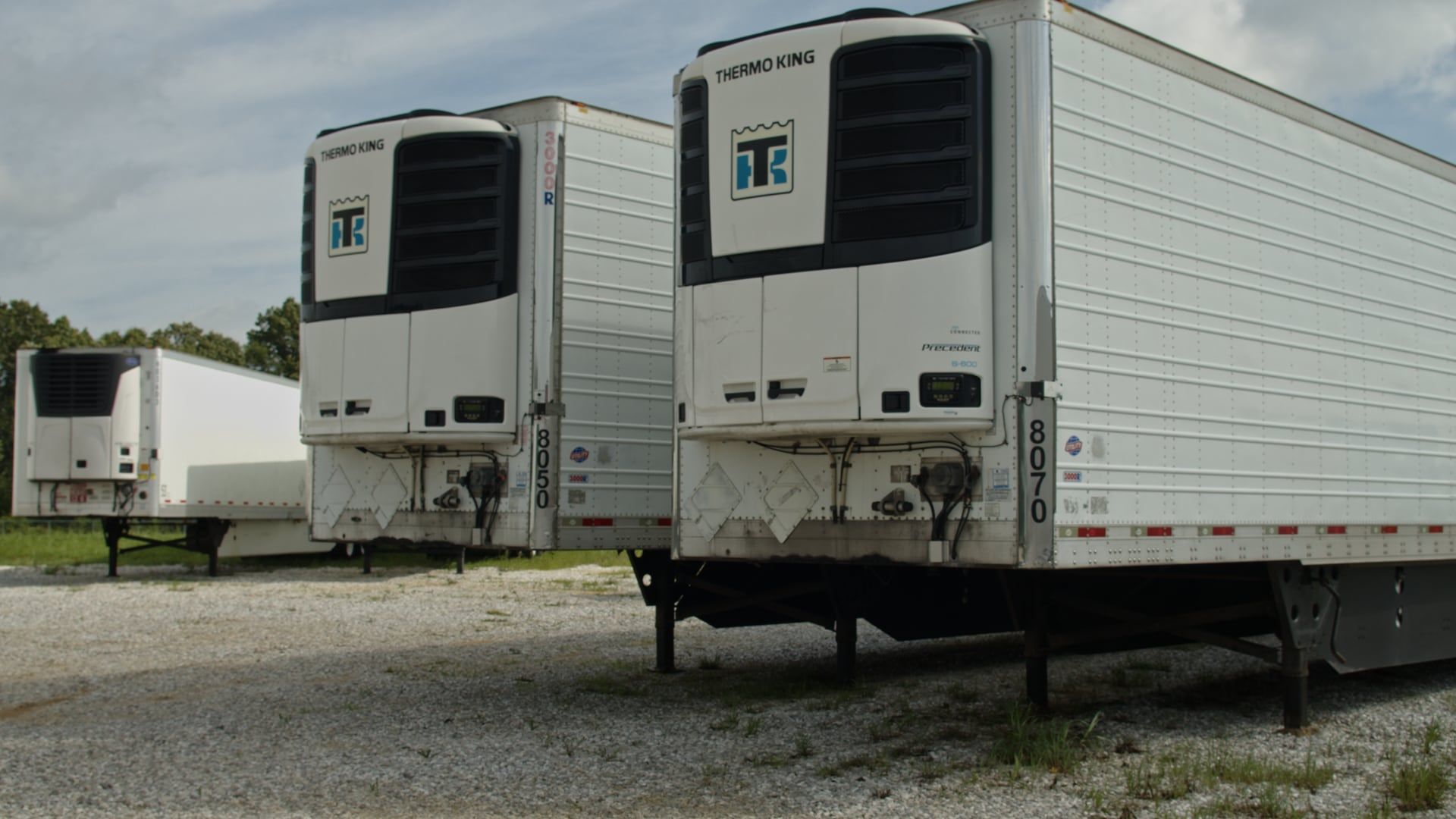
Check your oil and coolant, scan the belts and hoses for glazing and cracks, and look for fresh leaks on the ground and around the engine. Behind the cab, make sure your air and electrical lines aren’t hanging low or chafing, and that the catwalk is clear. This is also where a quick look saves a reefer or a wet load — confirm everything that’s supposed to be secured actually is.
Write it down — and speak up
If you find a defect, document it and report it. A passing DOT inspection isn’t luck; it’s the same walkaround done honestly, and at Safe Way it comes with a $100 bonus every time you pass. More important, a truck that’s right is a truck that gets you home. If something doesn’t look safe, don’t roll on it — call the shop. We’d rather fix it in the yard than meet you on the side of the interstate.
Ten minutes, the same way, every time. It’s the most boring habit in trucking and the one that quietly keeps you rolling, keeps your record clean, and keeps you out of the breakdown lane. Do it right and the rest of the day takes care of itself.